
Anesthesiology makes many aspects of modern medicine possible. Today’s precise dosing and range of pharmaceuticals allow doctors to target pain more efficiently, leading to shorter recovery times for the patient and a lower risk of complications. There’s a reason that anesthesiology is among the highest-paid professions: becoming an anesthesiologist requires detailed knowledge of biology and pharmacology. Anesthesiologists work with other doctors before a procedure to determine the right amount and type of anesthesia to administer and monitor patients while they are under anesthesia.

Ahead of the surgery, the method of anesthesia might be the last thing on your mind, but knowing about the details of their procedure makes many patients feel more at ease.

Here are five things to know about anesthesia:

1. It Varies by Magnitude

Patients getting a tooth pulled don’t receive the same kind of anesthesia as one having major invasive surgery. Local anesthesia affects only the area of the procedure, leaving the rest of the body with full sensation. Twilight anesthesia leaves you relaxed and pain-free but still aware of your surroundings. General anesthesia, the most extensive type, puts the patient in a sleep-like state that leaves no memory of the procedure.

2. It Has Been Used for 175 Years

The first synthetic anesthetic, ether, was first administered in Boston in 1846. A safer and more effective alternative to alcohol or existing drugs, it revolutionized surgery. A London newspaper declared at the time, “We have conquered pain.”

3. The Anesthesiologist Remains During Surgery

Administering anesthesia is not the end of the anesthesiologist’s job. During the procedure, they remain in the room to monitor vital signs – blood pressure, heart rate, temperature, and oxygen levels – and modify dosing if necessary.

4. There are a Variety of Ways to Administer It

How anesthesia is administered depends on whether you are receiving local, twilight, or general anesthesia, as well as the nature and location of the procedure. It can be administered in gas or liquid form via a gas mask, breathing tube, or intravenous drip.

5. The Specialty Requires Extensive Training

To become an anesthesiologist, one must first complete medical school, then proceed with an additional four years of special training and instruction. Nurse anesthetists complete two additional years after graduating from nursing school.

Because so much depends on anesthesia, we could not be prouder of our excellent anesthesiologists. Using the latest techniques and technologies, they smooth the journey through serious medical procedures for both patient and clinician. For more information on PPOA’s anesthesiologists, please contact us via social media or call your local PPOA clinic.
Research suggests that more than 20% of American adults suffer from chronic pain. Despite its prevalence, however, the pain remains challenging to treat, especially in the long term. Every patient’s pain is difficult to quantify and as unique as their nervous system. Treatments for chronic pain have traditionally included pharmaceutical and surgical interventions. Unfortunately, neither is perfect; pain medication can be dangerously addictive or carry uncomfortable side effects, and surgical procedures can be imprecise, eliminating all sensations in the affected area.

Neuromodulation presents an effective alternative. The International Neuromodulation Society defines it as “the alteration of nerve activity through targeted delivery of a stimulus, such as electrical stimulation or chemical agents, to specific neurological sites in the body.” It involves minor surgery – many procedures are minimally invasive – to place a small device near one’s spinal cord that electrically or pharmaceutically stabilizes the nervous system like a pacemaker stabilizes heart rhythms.

The applications of neuromodulation are extensive – it can be used to treat chronic pain and incontinence, Parkinson’s Disease, and ischemic disorders. Neuromodulation can even treat deafness via cochlear implants, which, instead of regulating existing nerve activity, actually create a response where none had existed.

The first neuromodulating device was implanted in a patient in 1967, and the field has multiplied since. The technology has demonstrated its safety and effectiveness in the ensuing decades, and the worldwide neuromodulation device industry is worth more than $10 billion. Recent advances have made the devices smaller, more efficient, more precise, and easier to implant.

Chronic pain remains a primary application of the technology, as it carries none of the risks of potent analgesics such as opioids. Neuromodulation replaces painkillers in many patients, and in others, it can prevent dependency and toxicity by delivering much smaller doses directly to the nervous system. Instead of a constant regimen of pills with their attendant health risks and side effects, patients undergo a minor procedure and may experience significant relief within days or hours.

Physician Partners of America includes neuromodulation in our array of treatments for chronic pain and other neurological conditions, especially for those whose pharmaceutical intervention has proved ineffective. For more information, please talk to your doctor or call one of our local clinics.

As technology improves, surgical intervention has become ever more precise and effective. On the cutting edge of that trend is Interventional Radiology (IR), a technique whereby minimally invasive surgery is guided by live imagery, including x-ray fluoroscopy and MRI. As a result, surgeons can now treat diseases like cancer through pinhole-sized incisions, reducing the margin of error, the risk to the patient, and recovery time.

Here are five things to know about IR:

1. It functions with a variety of internal imaging systems.

Technological advances have provided physicians with tools that allow them to see into a patient during surgery, allowing them to guide tiny surgical instruments to their exact areas of need with heightened precision. The imaging type depends on the patient’s condition; a cancerous tumor might be targeted with MRI, whereas a bone concern would be imaged with x-ray fluoroscopy. The range of imaging tools has grown rapidly over the recent decades and includes CT scanning and ultrasounds.

2. It confers a significant benefit to the patient.

Surgeries performed using IR have significant advantages over those without. Conventional surgery requires the doctor to reference still images taken before the procedure, using cameras or visual cues to guide intervention. In IR, however, the surgeon can “see” into the patient in real-time, eliminating ambiguity and surprises. This lets the clinician operate precise tools through tiny incisions, which is better for the patient. Such procedures lower the risk of unnecessary blood loss and complications, which shortens hospital stays and recovery times, thereby lowering the patient’s costs.

3. It has particularly effective applications for cancer treatment.

Cancer remains a hard-to-treat illness in many cases. Part of the difficulty stems from the fact that many cancer treatments are the surgical equivalent of blunt instruments. Radiation therapy and chemotherapy target the entire area affected by cancer, meaning that healthy tissue is frequently affected along with cancerous cells. IR lets oncologists deliver such interventions directly to those cancerous cells, dramatically reducing patients’ experience of side effects. Doctors can even cut off a tumor’s blood supply during surgery, starving it as they treat it.

4. It can be used on patients of all ages.

Because IR can be used to treat so many conditions, IR patients cover the entire spectrum of age and medical needs. For example, IR can effectively treat vascular conditions more common in the elderly, like pulmonary embolism and deep vein thrombosis, by targeting specific problem spots with medication or equipment like stents. It can also treat major bleeding from things like sports, violence, or childbirth, which are more common in younger people.

5. It is an effective diagnostic tool.

While IR has numerous treatment applications, it can be used just as effectively to help doctors diagnose a condition. For example, taking a biopsy of a diseased or suspicious area can be a complicated procedure. IR makes it much simpler by enabling doctors to use smaller, more precise tools, allowing them to take a sample from their exact preferred location.

Physician Partners of America’s doctors are fully trained and equipped to perform IR on various conditions. To find out if you are a candidate for IR, please visit our website or call your local PPOA clinic.

Sun City Ambulatory Surgery Center, a partnership with PPOA, is partnering with surgeons from across Hillsborough County to start treating gastrointestinal patients by the end of the year. This expansion of services will provide affordable, convenient healthcare options to Hillsborough County, currently an underserved market. With over 60 million Americans suffering from digestive diseases nationwide, these services are guaranteed to make an immediate impact on the local community and patients throughout Florida. 

The Sun City Ambulatory Surgery Center was established in 2020 between PPOA and local physician partners to provide outstanding care to Southern Hillsborough County residents. This brand-new facility is tailored to our mission of providing affordable, convenient, and personalized care to patients with all types of pain. Currently, the clinic serves chronic pain, spinal, and orthopedic patients as well as other non-pain-related specialties. However, the addition of gastrointestinal surgical services can advance not only healthcare solutions but the reach of PPOA across Central Florida. 

Hillsborough County is a magnet for retirees, with more than 14% of the population being over 65. As part of Florida’s substantial geriatric market, gastrointestinal care is essential for holistic healthcare. Patients over 65 are at higher risk for gastrointestinal issues than other patients, with issues ranging from issues swallowing to celiac disease and esophageal issues. 

Currently, there are only a handful of established gastroenterologists in the Hillsborough County region. This limits not only the availability of care but gives many regional patients few options for traveling to their preferred clinic. By adding these services, we hope to help patients who have nowhere else to go for their gastrointestinal and pain issues. 

Since the opening of the Sun City Ambulatory Surgery Center in 2020, we’ve been able to serve hundreds of patients and change lives every step of the way. The Sun City facility has two ORs, which gives us the opportunity to provide a more personalized experience for patients and their families. Even by treating a handful of gastrointestinal patients, we aim to make a real impact in the Tampa area healthcare system and give those without other options the chance at a pain-free life. 

We treat not only the disease but try to understand the person and what makes their issues debilitating to their lifestyle. Gastrointestinal diseases can make simple things like eating a meal with family or going on a road trip difficult if not incredibly painful. We believe that food should never be something that causes more pain than joy in your life and provide cutting-edge solutions that bring you lasting relief. 

To learn more about the Sun City Ambulatory Surgery Center, visit their website here.

PPOA has grown significantly since our founding in 2013. We began with a single office and only three employees, but have since grown to a strong 500+ employees and over 30 locations across Florida, Texas, and California. We have always had a strong presence in Florida. We’re planning to expand that presence even further by adding to our surgery centers along the east coast of Florida from now until 2023. 

PPOA is expanding our ambulatory surgery centers in Orange Park, West Palm Beach and several other cities across the coast. This expansion marks not only progress for our organization, but the expanse of pain solutions for patients in need. Florida was one of the earliest states affected by the opioid epidemic and continues to be at the forefront of fighting prescription drug abuse through legislation and preventative care measures. 

By adding services across Florida, we hope to help fight the increase in opioid overuse and overdoses. Since COVID-19, studies have found a 31% increase in non-prescribed fentanyl use, as well as significant increases in illicit drug usage. With patients not being able to see doctors as regularly, coupled with restrictive lifestyle options and increased isolation, many patients are turning to opioids to curb pain and lessen emotional stress. 

PPOA offers a long-lasting solution for patients who have been given no other options. Our advanced surgical and pain management plans can give patients a real opportunity to live healthy lives unrestricted by constant pain. We care not only about our patient’s pain but what makes their pain debilitating. Were they active parents before an accident made it hard to walk their kids to school? Were they an active runner who now can’t make it out of bed some mornings due to muscle and spine damage? These details are important to our patients, which makes them important to our staff. We want to know what makes your life meaningful, so we can fight harder to bring these moments back to you.

The expansion of our clinics can help the retired population in Florida find innovative solutions for leading an active lifestyle pain-free. Florida is one of the top places in the country for retirees to live, and many want solutions to chronic pain that can facilitate their ability to travel, fish, visit with grandkids, and enjoy their later years without physical burdens. We offer minimally invasive options for our patients to ensure quicker recovery times and reduced pain after surgery. This provides Floridians with the solutions they need for enjoying coastal living to the maximum. 

These expanded surgery centers, along with our established locations across Florida, Texas, and California will make a lasting difference in the lives of thousands. 

To learn more about the opening of our new Florida locations, or to stay up to date on PPOA news, follow us on Facebook and LinkedIn.


What is Facet Joint Arthritis?

Facet joint arthritis is a very common cause of low back and neck pain in adults.  It is a condition in which the small joints, called facets, in the back of the spine become arthritic and painful, similar to the way arthritis in the knee or hip is painful. Facet joint arthritis is also known as facet arthropathy or spondylosis.

What are Facet Joints?

Facet joints connect the vertebral bodies, or bones, in the spine to one another and help keep the spine stable with normal movement. Facet joints are lined with cartilage, contain a small amount of joint fluid, and are encased in a joint capsule. There is a pair of facet joints at each level, and they are named for the vertebral bodies they connect. For example, the L4/5 facet joints connect the lumbar 4 and lumbar 5 vertebral bodies.

How does Facet Joint Arthritis develop?

Each facet joint is lined with cartilage, and over time the cartilage may thin and wear out. As a result, the joint will become inflamed and develop bone spurs, enlarging the joint.  This is also called facet joint hypertrophy. These changes can be due to a variety of factors, but typically anything that puts greater strain on the facet joint over time, such as manual labor, obesity, lack of exercise and deconditioning, will lead to degenerative changes in the joint. Genetic factors may also play a role even in the absence of these factors.

Where does Facet Joint Arthritis occur?

Facet joint arthritis commonly occurs in the low back or lumbar spine. It also occurs in the neck, or cervical spine, and to a lesser extent in the upper back, or thoracic spine. The lower lumbar facet joints, such as L3/4, L4/5, and L5/S1, are the most common location of facet arthritis because they carry the greatest weight compared to other areas of the spine.

What are the symptoms of Facet Joint Arthritis?

In the lumbar spine, the symptoms are typically lower back pain, which may be accompanied by radiation of the pain to the buttocks or the back of the thighs. In the cervical spine, the symptoms are typically neck pain, which may be accompanied by radiation to the shoulders, upper back or to the back of the head. Leaning back and rotating the spine typically worsens the pain. Decreased spinal flexibility and muscle spasm frequently accompany the pain.

How do you diagnose Facet Joint Arthritis?

A proper history and physical exam may suggest facet arthritis. X-ray, CT scan or MRI may confirm the presence of arthritis; however, facet joint arthritis is just one potential cause of low back or neck pain. If interventional treatments are planned, diagnostic injections with local anesthetic are required to confirm that the source of the pain is the facets.

What are the initial treatment options for Facet Joint Arthritis pain?

Anti-inflammatory pain medications, muscle relaxers or other pain medications, activity modification, weight loss, physical therapy, and regular exercise all may be helpful at reducing pain.

What are the options if conservative treatments fail?

Because back and neck pain may have multiple causes, first one must confirm that the facet joints are the source of pain. To determine if the facet joints are causing pain, a diagnostic injection of local anesthetic can be performed, either into the facet joint, or around the nerves that sense pain in the facet joint. These nerves are called the medial branch nerves. If pain is reduced by this diagnostic injection, then a procedure called a rhizotomy is performed. A rhizotomy uses radiofrequency energy to heat the facet joint nerves so that they can no longer sense pain. In cases where an enlarged arthritic facet joint is causing nerve compression or spinal stenosis, referral to a spine surgeon may be indicated.

How do you keep Facet Joint Arthritis pain from returning?

Intermittent flare-ups are common with chronic back and neck pain. The best long-term pain management strategy consists of regularly participating in exercises that restore spine health and stability. With the assistance of a Physical Therapist, participating in a home exercise program that focuses on increasing strength, endurance and flexibility will be the best defense against chronic pain.

Physician Partners of America Offers Telemedicine Option

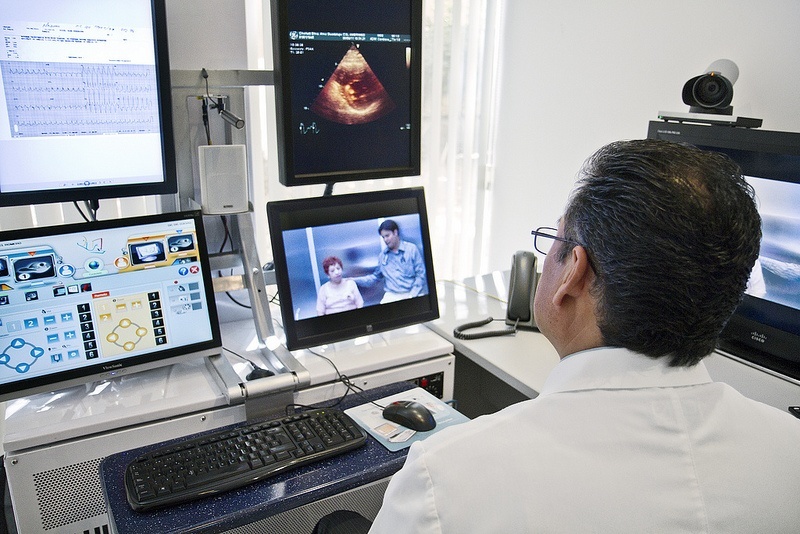
For patients worried about leaving home to see their pain management doctor, Physician Partners of America (PPOA) is offering a solution: telemedicine. It allows patients to talk to their regular PPOA physician and order prescription refills.telehealth pain clinic

“We understand some people are under stay-at-home orders, and others are too high-risk to venture out, so we are using technology to bring our doctors to them,” says Josh Helms, COO of PPOA.

Some chronic pain patients may carry a higher risk of contracting the virus. For others, the dry cough associated with COVID-19 may aggravate some neck and spine pain. Patients should consult a primary care physician for testing and diagnosis. Current PPOA pain patients seeking guidance or medication management are encouraged to use our telemedicine option.

PPOA’s telemedicine service is simple to use. There is no complicated software to install. All that’s required is a telephone. Our scheduling team will handle all the details and paperwork through the HIPAA-compliant electronic medical records (EMR) system, just as they do for office visits. A team member will contact patients to confirm their phone call with the doctor, and the doctor will call at the pre-arranged time.

“Our telemedicine service can take the place of an in-office visit in many cases,” says Helms. “It’s an easy and HIPAA-compliant way to ensure our patients are getting what they need to ease their pain during this uncertain time.”

Visit our home page, click on Schedule Appointment, or call  888-412-6958, and set your telephone appointment today.

During this unsettling time where the Coronavirus (COVID-19) is a major global issue, fear and uncertainty can take over. For people who are already suffering from chronic pain, contracting the virus, or even seasonal allergies, can be the cause of more pain.

Many of PPOA’s patients have chronic pain in relation to their back and neck. Due to this, if the patient has a sore throat, excessive coughing- which is a symptom of the Coronavirus, may worsen their pain. This is because of the strain the coughing is putting on the back, making it contract more than usual. Although the virus has to run its course, reduction of the cough will help the patient find some relief. Along with a cough, the Coronavirus can bring its own aches and discomforts, adding to the patient’s already chronic pain.

For those who haven’t suffered from chronic back pain until contracting the virus, there is a possibility the amount of coughing has put strain on the patients back. Excessive coughing can cause conditions such as:

To help prevent these conditions or to not cause a flare up in previous conditions or chronic pain, follow these steps when coughing.

  • Keep a natural form in your back instead of hunching forward when coughing.
  • Keep shoulders down and away from your ears.
  • If available, put your hands down on a surface when you cough to help to prevent the back from compressing.

If you are experiencing symptoms of the Coronavirus, please call your primary care doctor. If you are experiencing chronic pain, we can help you find relief. Contact us today.

We’ve always heard “you are what you eat,” but did you know your pain level is related to what you eat? Studies show what you ingest can either help or hurt your pain. If you are already experiencing back pain, it is suggested that you stay away from certain foods.

Why is that? Some foods cause more inflammation than others, causing your already painful areas to flare up and become even more irritating. The good news is that not all foods are pro-inflammatory. Foods high in trans fats, saturated fats, sugars and white flour are examples of some that can trigger inflammation through a complex series of biochemical and hormonal processes. Below are some foods to stay away from while managing your back pain.

  1. Red meat: Red meat not only promotes inflammation through a substance called neu5gcor N-Glycolylneuraminic acid; it has also been linked to conditions such as heart disease, digestive issues and kidney problems.
  2. Processed foods: Because many of the ingredients found in processed foods are not natural, they can cause inflammation and irritation. Our bodies do not want to accept it into our systems. Some examples of processed foods are sodas, hot dogs, artificial sweeteners, some cheeses and frozen meals.
  3. Caffeine: Although there is no direct link between caffeine and back pain, it is a fact that caffeine increases the amount of stress hormones within the body, therefore causing inflammation. Don’t forget, caffeine is not just present in coffee; it is also in teas, cereals, some fruits and even some pain relievers.
  4. Enriched white flour: Commonly found in bread, pastries, crackers, and pasta, there is a good chance that foods featuring white flour is processed.
  5. Hydrogenated oils: Examples of where these dangerous oils can be found include margarine, vegetable shortening, and fried foods. Companies often use this ingredient to save money and increase shelf life.

Being more aware of what you are consuming can help reduce the pain you are experiencing. If your pain persists, please contact us to see a specialist.

Are you experiencing back pain and are not sure what the culprit is? Your pain could be stemming from what you are eating.

Your diet itself will not be the answer to your chronic back pain; however, if you know and understand what foods to avoid, your back pain can be better managed.

One of the biggest causes of inflammation comes from eating red meat; it has been a controversial health topic for a while now. While consuming red meat can be beneficial in fulfilling nutritional needs, such as protein, it is also linked to conditions such as heart disease, digestive issues and kidney problems. One other condition red meat is linked to that most people do not know about is back pain.

If you are suffering from back pain, red meat is a food that is important to avoid. Red meat has a substance in it called neu5gc or N-Glycolylneuraminic acid. This agent promotes inflammation along with other foods and drinks such as:

  • Refined carbohydrates
  • Sugar
  • Alcohol
  • Processed foods
  • Caffeine

To read more on the inflammation diet and getting back on track to a healthy life style.

Now that we understand better what not to eat, what should we be eating? Reducing foods, such as red meat, that cause inflammation will not only benefit your back pain; it will improve your health as a whole. The best foods to counter inflammation are those which contain high levels of antioxidants, lean protein and unsaturated fats. Below are some options to keep your health balanced:

  • Omega-3-rich fish such as tuna or salmon
  • Beans, grains, seeds and nuts
  • Poultry and eggs (try to limit meat intake)
  • Good news: one glass of red wine a day provides a healthy antioxidant boost

Being aware of the everyday food and drinks that are consumed can help reduce inflammation, therefore helping alleviate back pain. If you still experience chronic back pain after changing your diet, please contact one of our many clinics here at Physician Partners of America. Our highly-trained and experienced physicians will be happy to assist in your pain relief.